





Summer end special Event – Everything must go @ Showroom
October 8, 2024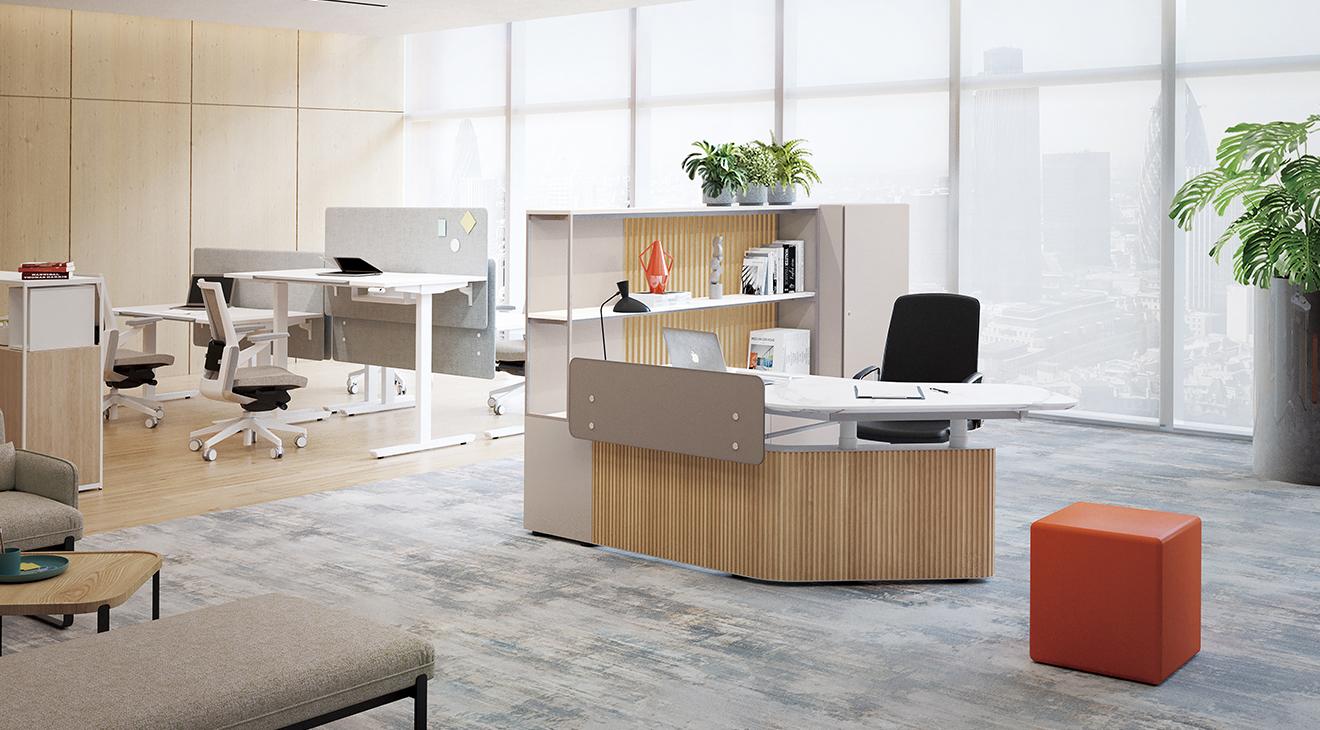
ABIERTO Series
October 24, 2024
Choosing the right office furniture can significantly impact your workplace productivity, comfort, and overall aesthetics. Whether you’re outfitting a small home office or furnishing a large corporate space, the right style of furniture sets the tone for your company’s environment. This guide will walk you through how to pick the best office furniture that suits your needs and reflects your business identity.
1. Consider Your Office Space and Layout
Before diving into style choices, take a good look at your office’s space. Measure the area to ensure your furniture will fit without overcrowding. You want a layout that promotes a smooth flow of movement while maximizing available space.
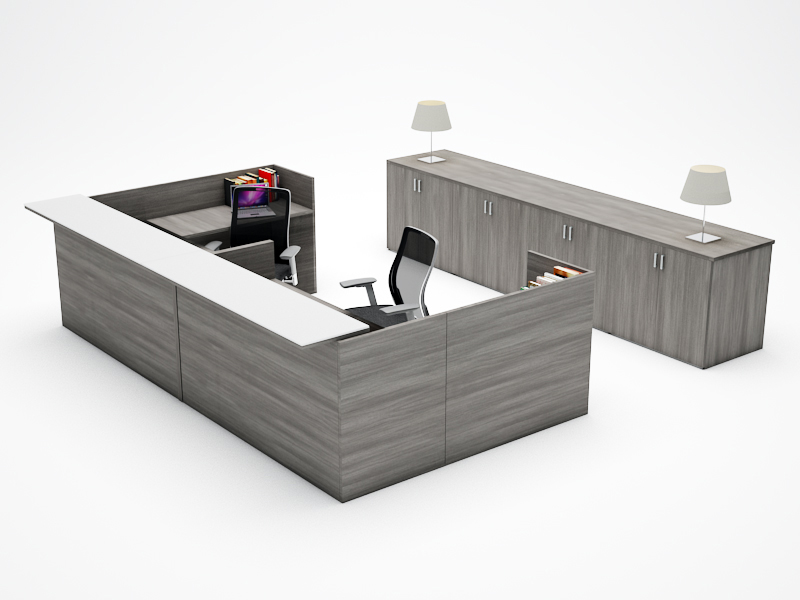
- For small offices, opt for furniture that provides storage solutions without taking up too much room. Look for compact desks, multifunctional furniture, and minimalist designs.
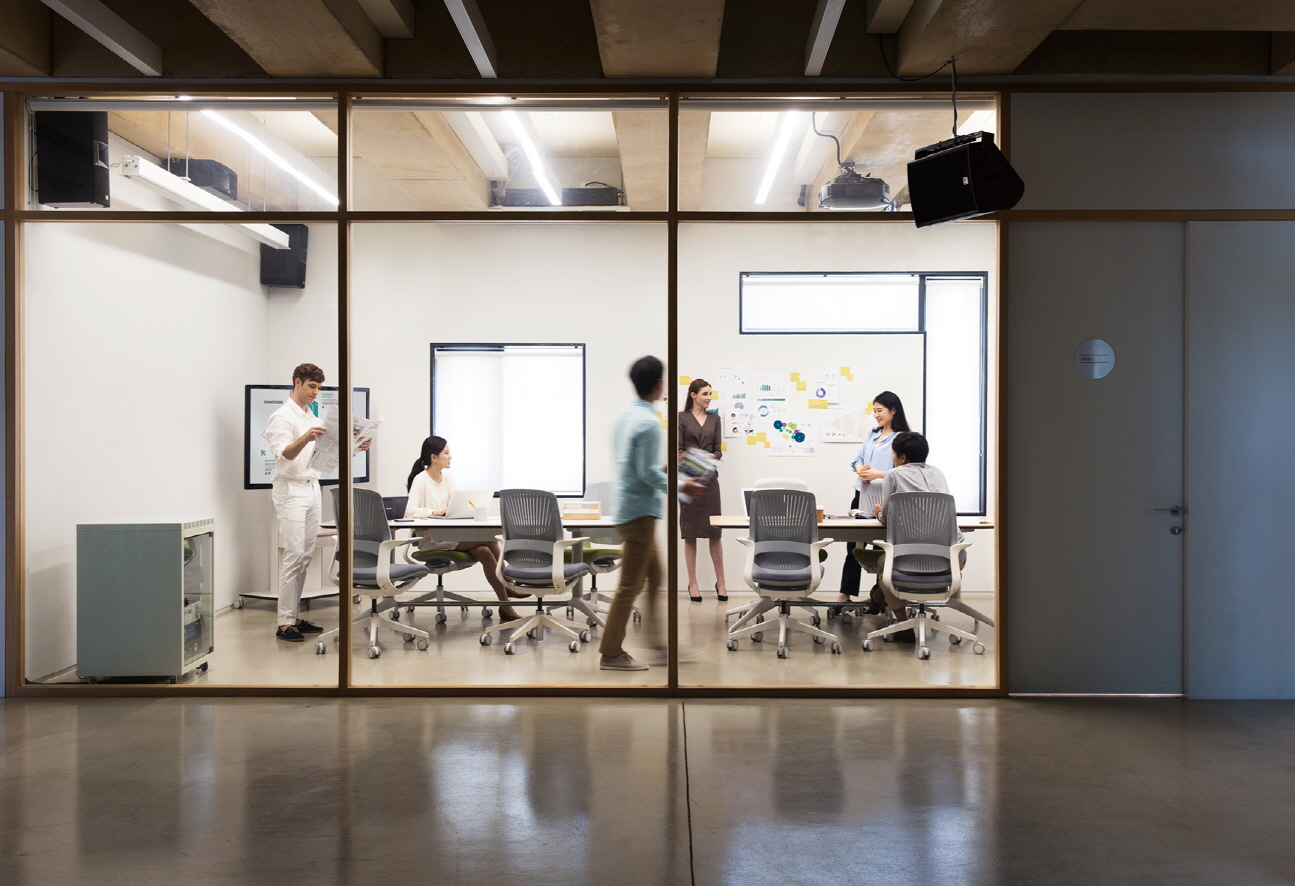
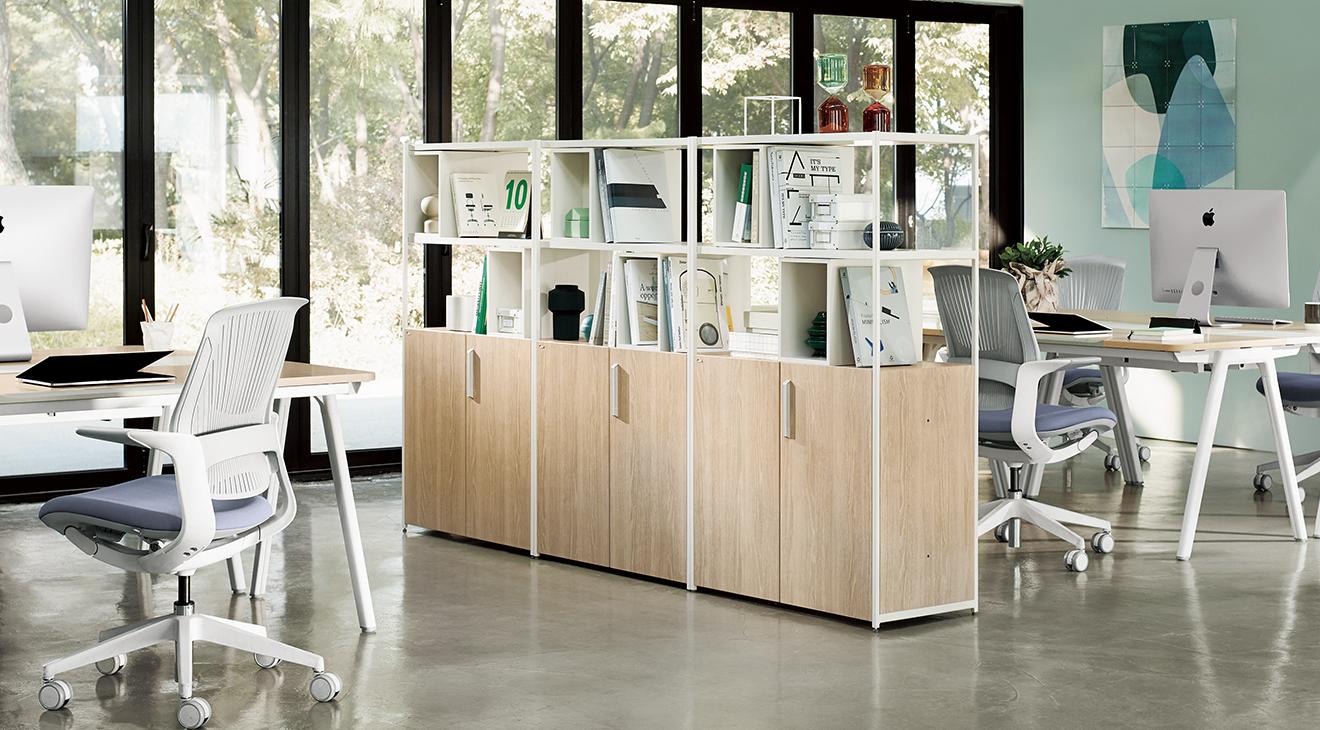
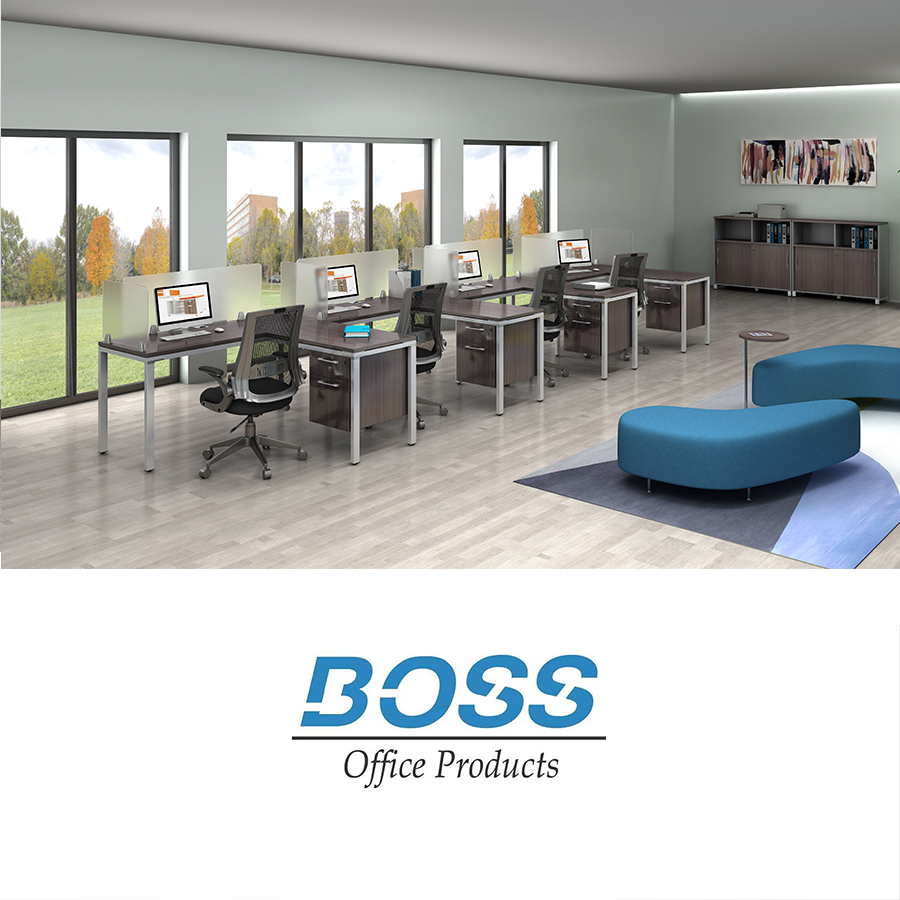
- For open-plan offices, modular furniture can help create collaborative spaces while also allowing for privacy when needed. Think about desks that can be moved or rearranged to accommodate growth.
2. Align Furniture with Your Brand Identity
Your office furniture should reflect your company’s personality and brand values. Modern, sleek furniture might be ideal for tech companies or startups, while more traditional, wooden pieces could suit law firms or financial institutions. Ask yourself:
- What message does this style send to clients and employees?
- Does it represent the culture we want to foster?
For a creative agency, bold colors and unique furniture designs may inspire creativity, while a neutral palette with ergonomic chairs and desks might suit a company focused on professionalism and efficiency.
3. Prioritize Comfort and Ergonomics
While style is important, comfort should not be compromised. Your employees spend hours seated, so ergonomic furniture is crucial for maintaining health and productivity. Chairs with lumbar support, adjustable desks, and comfortable seating areas will keep your team energized and reduce workplace fatigue.
- Ergonomic chairs with adjustable heights, backrests, and armrests prevent long-term discomfort.
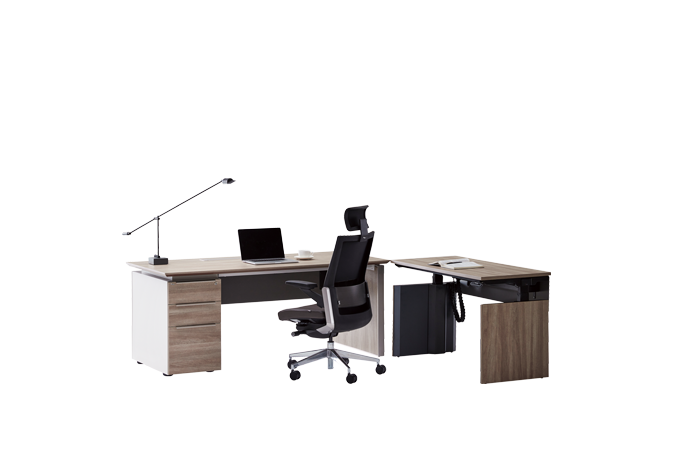
- Sit-stand desks promote movement and help reduce the health risks associated with prolonged sitting.
4. Choose the Right Materials
The materials you choose for your office furniture can make a big difference in both aesthetics and functionality. For example:
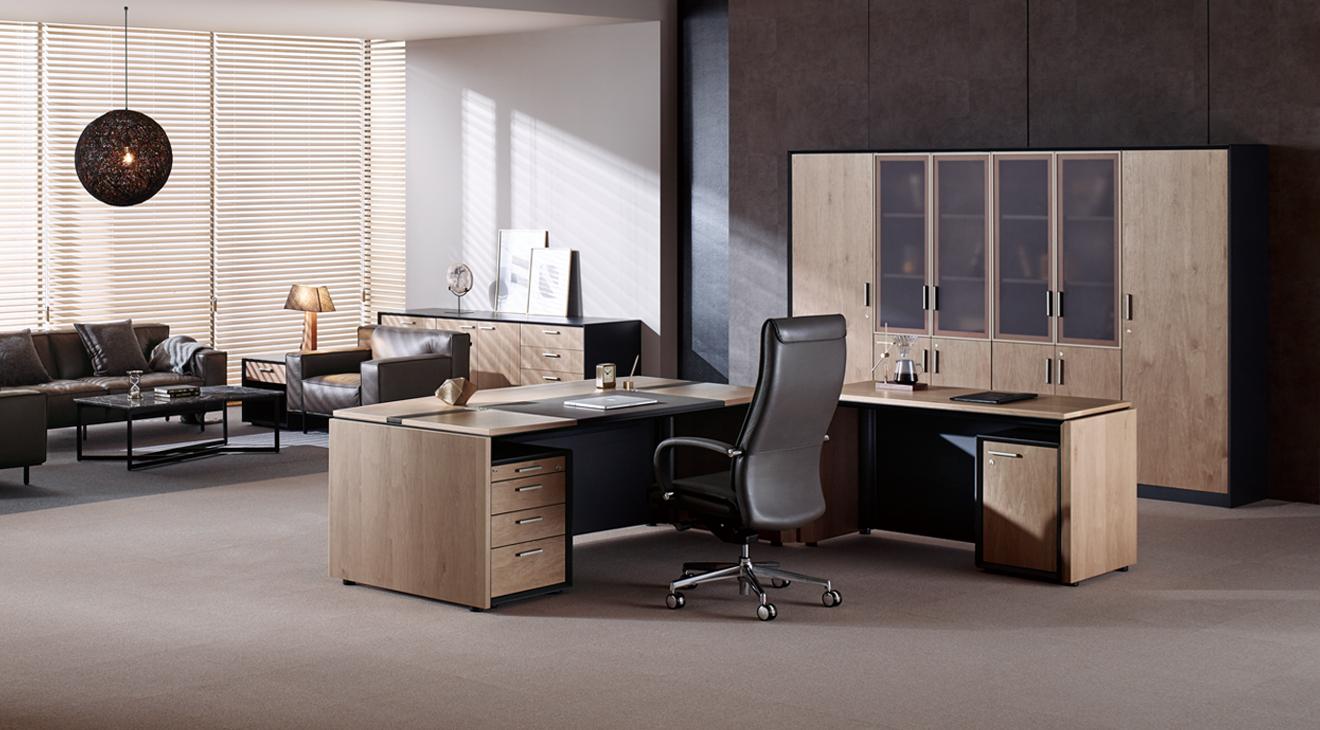
- Wooden furniture adds a touch of warmth and sophistication but may not be ideal for high-traffic areas where wear and tear are more likely.
- Metal and glass furniture can create a modern, sleek look, making it perfect for tech firms or creative studios.
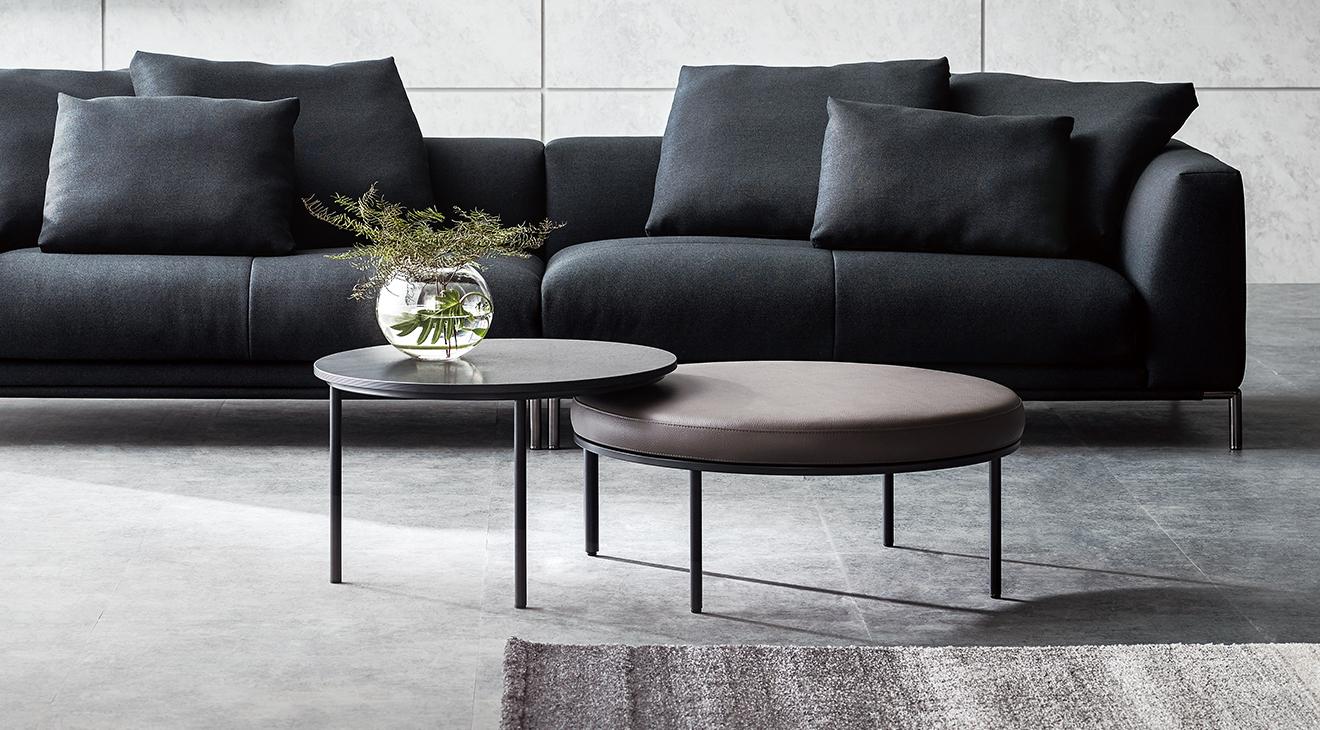
- Fabric and leather chairs provide comfort and style but may require more maintenance depending on the material.
Think about the durability of the materials, especially in areas where furniture will be frequently used. High-quality materials can save you money in the long run by avoiding frequent replacements.
5. Consider Flexibility and Future Growth
When selecting office furniture, think about your company’s future. Will your business grow in the next few years? Can your current furniture adapt to changes in office size or function?
- Modular furniture allows for flexibility, as you can reconfigure workstations or expand seating without having to invest in an entirely new set.
- Folding desks and chairs can be easily stored and brought out for larger meetings or presentations.
Planning for growth ensures your office furniture can evolve with your business, saving you time and money down the line.
6. Incorporate Storage Solutions
Clutter can quickly make even the most stylish office feel chaotic. Investing in practical storage solutions is key to maintaining an organized and productive workspace.
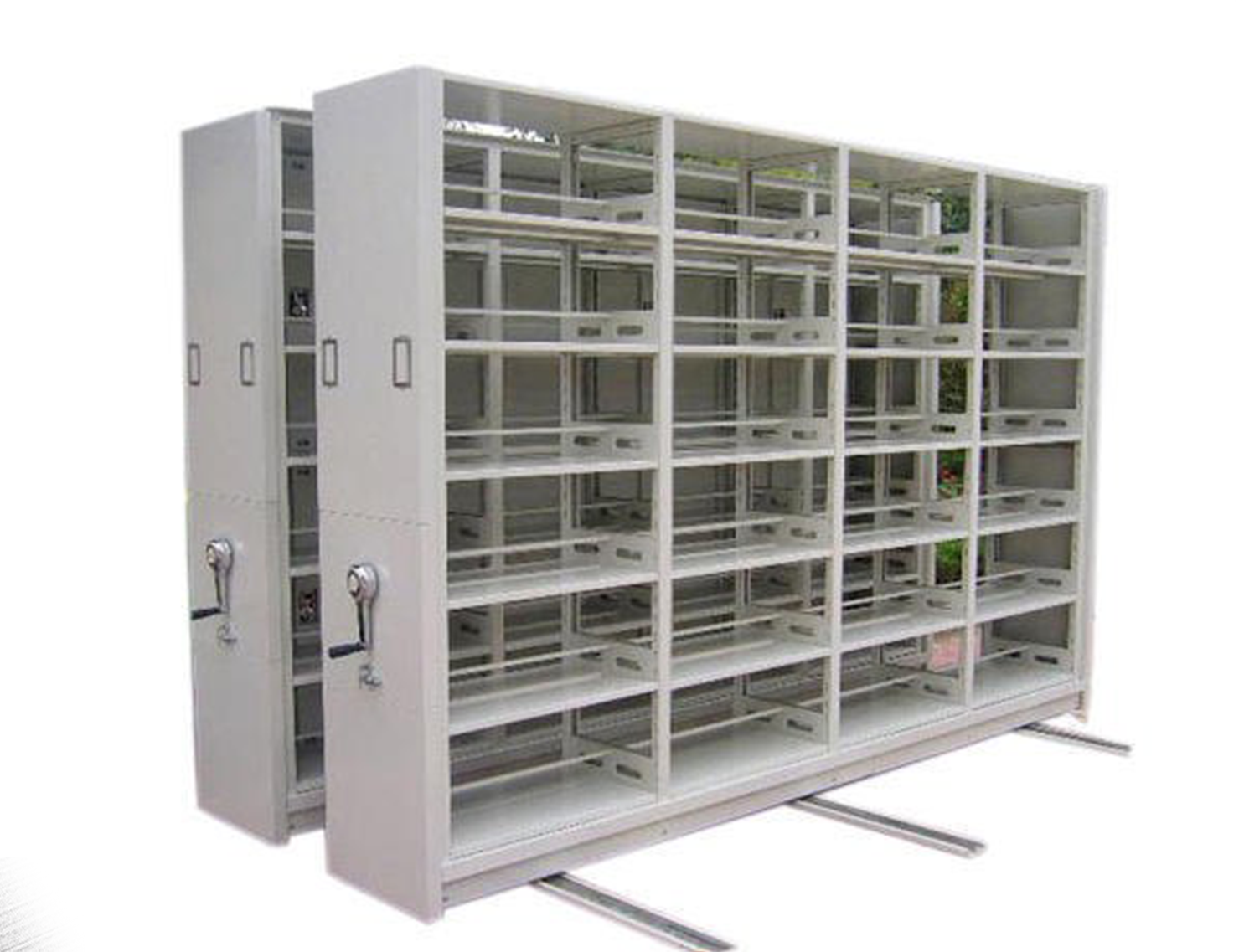
- Filing cabinets, shelves, and desk organizers help reduce clutter while keeping important documents and supplies easily accessible.
- Storage-integrated desks are ideal for small offices or minimalist designs, providing ample space for work while concealing clutter.
7. Don’t Forget About Lighting and Accessories
The right furniture should work in harmony with your office lighting and accessories. Task lighting, such as desk lamps, can complement ergonomic desks and chairs, while natural light enhances overall mood and productivity.
- Task lighting: Invest in adjustable lamps to reduce eye strain during long work hours.
- Decorative accessories: Plants, artwork, and personal touches can bring warmth to your office while reflecting your company’s values and style.
Conclusion
Picking the right style of furniture for your office is about balancing aesthetics, comfort, and functionality. By considering your office layout, brand identity, and future growth, you can create a workspace that not only looks great but also enhances productivity and employee well-being.
When you’re ready to transform your office, Total Office Furniture is here to provide a wide selection of high-quality furniture that meets your style and functional needs. Let us help you create an inspiring and efficient work environment today!